
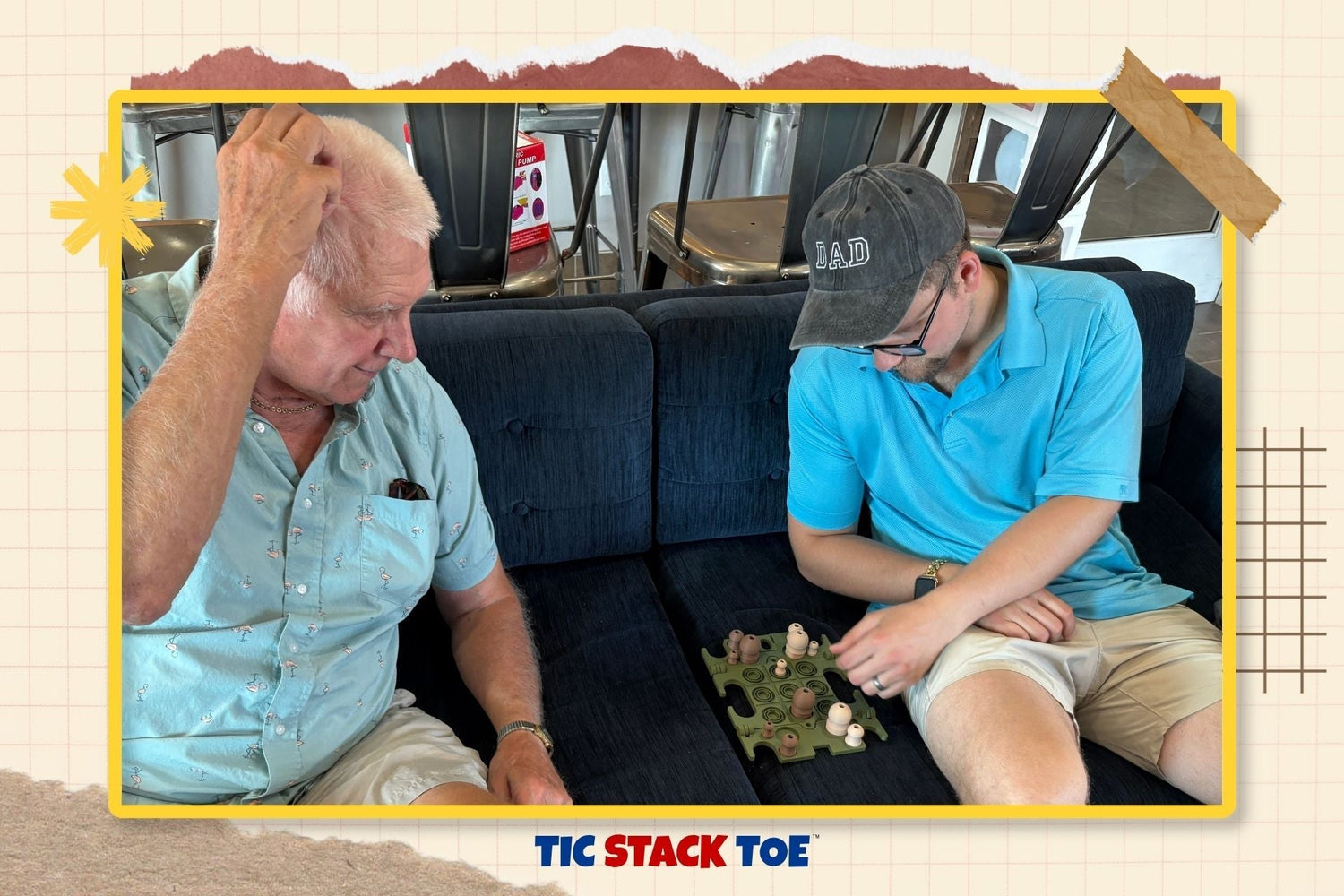
When people think about games, they often picture children gathered around a table. In reality, games can be just as valuable for older adults.
Whether it's a grandparent spending time with family, residents gathering in a senior living community, or visitors looking for an activity to share with a loved one, the right game can create meaningful moments of connection.
The challenge is finding games that are engaging without being overly complicated.
For seniors, the best games are often the ones that are easy to learn, simple to set up, and enjoyable for players of different ages and abilities. They should encourage interaction, spark conversation, and create opportunities for friendly competition.
What Makes a Good Game for Seniors?
Not every game is a good fit for older adults.
Some games require lengthy setup, tiny pieces, or complicated rules that can create frustration rather than enjoyment. The best games remove those barriers and focus on what matters most: bringing people together.
When choosing games for seniors, look for options that are:
- Easy to learn
- Easy to clean
- Quick to set up
- Simple to reset between rounds
- Comfortable to play at a table
- Enjoyable for visitors and family members
- Engaging without requiring a major time commitment
Games that check these boxes tend to see the most participation in both family and community settings.
The Benefits Go Beyond Entertainment
A good game does more than fill time.
Games naturally encourage people to interact, communicate, and engage with one another. For seniors, these social opportunities can be just as important as the game itself.
Some of the biggest benefits include:
Social Connection
Games create reasons for people to gather, talk, and spend time together.
Friendly Competition
A little competition keeps things interesting and often leads to plenty of laughter along the way.
Cognitive Engagement
Many games encourage players to think strategically, recognize patterns, and make decisions.
More Meaningful Visits
Family members sometimes struggle to find activities to do together during visits. Games provide a simple shared experience that helps conversations happen naturally.
Great Games for Seniors and Family Visits
The best games are often the ones that are simple enough for anyone to join while still offering enough challenge to stay interesting.
Tic STACK Toe
Tic STACK Toe is an excellent choice because it builds on a game almost everyone already knows: Tic-Tac-Toe.
Players still try to get three pieces in a row, but the addition of stackable pieces creates new strategic possibilities. Larger pieces can cover smaller pieces, allowing players to reclaim spaces and change the direction of the game.
Why seniors and families enjoy it:
- Familiar gameplay
- Easy-to-grip pieces
- Quick rounds
- Simple setup
- Engaging strategy
- Fun for multiple generations
The game feels comfortable because people already understand the basic objective, yet the stacking mechanic keeps every round interesting.
Dominoes
Dominoes have remained popular for generations because they combine simple rules with endless replayability.
Playing Cards
From Rummy to Go Fish, a simple deck of cards offers dozens of game options that can be adapted for different groups.
Checkers
Easy to learn and easy to teach, Checkers remains one of the most approachable strategy games available.
Connect Four
The straightforward objective and short gameplay make Connect Four a favorite for both children and adults.
Why Multigenerational Games Matter
Family visits are often most successful when everyone can participate.
The problem is that many games naturally cater to one age group. Children may become bored with slower activities, while adults may lose interest in games that feel too simplistic.
The best multigenerational games find a balance.
They offer:
- Simple rules
- Short rounds
- Strategic decisions
- Opportunities for conversation
- A chance for everyone to participate equally
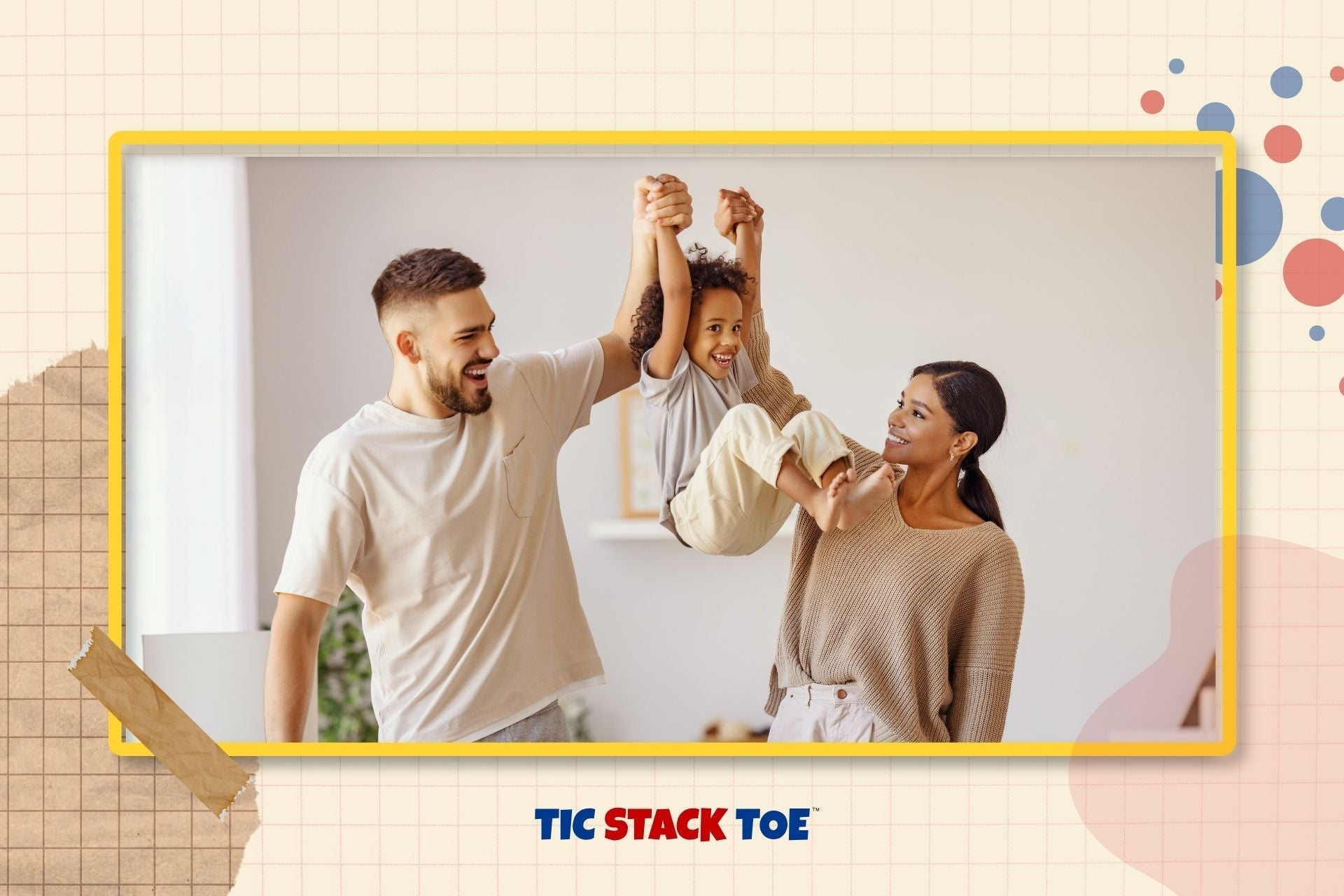
That's one reason Tic STACK Toe works so well. Grandparents immediately recognize the familiar foundation of Tic-Tac-Toe, while kids enjoy discovering new ways to use the stacking mechanic.
The result is a game that creates interaction rather than dividing people into separate activities.
Perfect for Senior Living Communities
Many assisted living communities and senior centers are always looking for activities that encourage residents to spend time together.
Games are particularly effective because they create natural opportunities for interaction without requiring extensive planning or preparation.
Tic STACK Toe fits especially well in these environments because:
- Games take only a few minutes to play
- Pieces are easy to handle
- Players can learn quickly
- Multiple rounds encourage ongoing engagement
- Residents can easily teach new players
Whether placed in a common area, activity room, or dining space, the game creates an easy way for residents and visitors to connect.
Small Games Often Create the Best Memories
Some of the most meaningful moments happen during simple activities.
A grandparent teaching a grandchild a favorite game. Two residents enjoying a friendly competition after lunch. A family gathered around a table looking for something to do between conversations.
These moments may seem small, but they're often the ones people remember.
The best games don't need elaborate rules or expensive equipment. They simply need to create opportunities for people to interact and enjoy each other's company.
That's why games continue to play such an important role in family gatherings, senior communities, and everyday life.
Whether it's a classic card game, a game of dominoes, or a modern twist on Tic-Tac-Toe like Tic STACK Toe, the right game can turn a few spare minutes into a memorable experience.

Leave a comment
This site is protected by hCaptcha and the hCaptcha Privacy Policy and Terms of Service apply.