
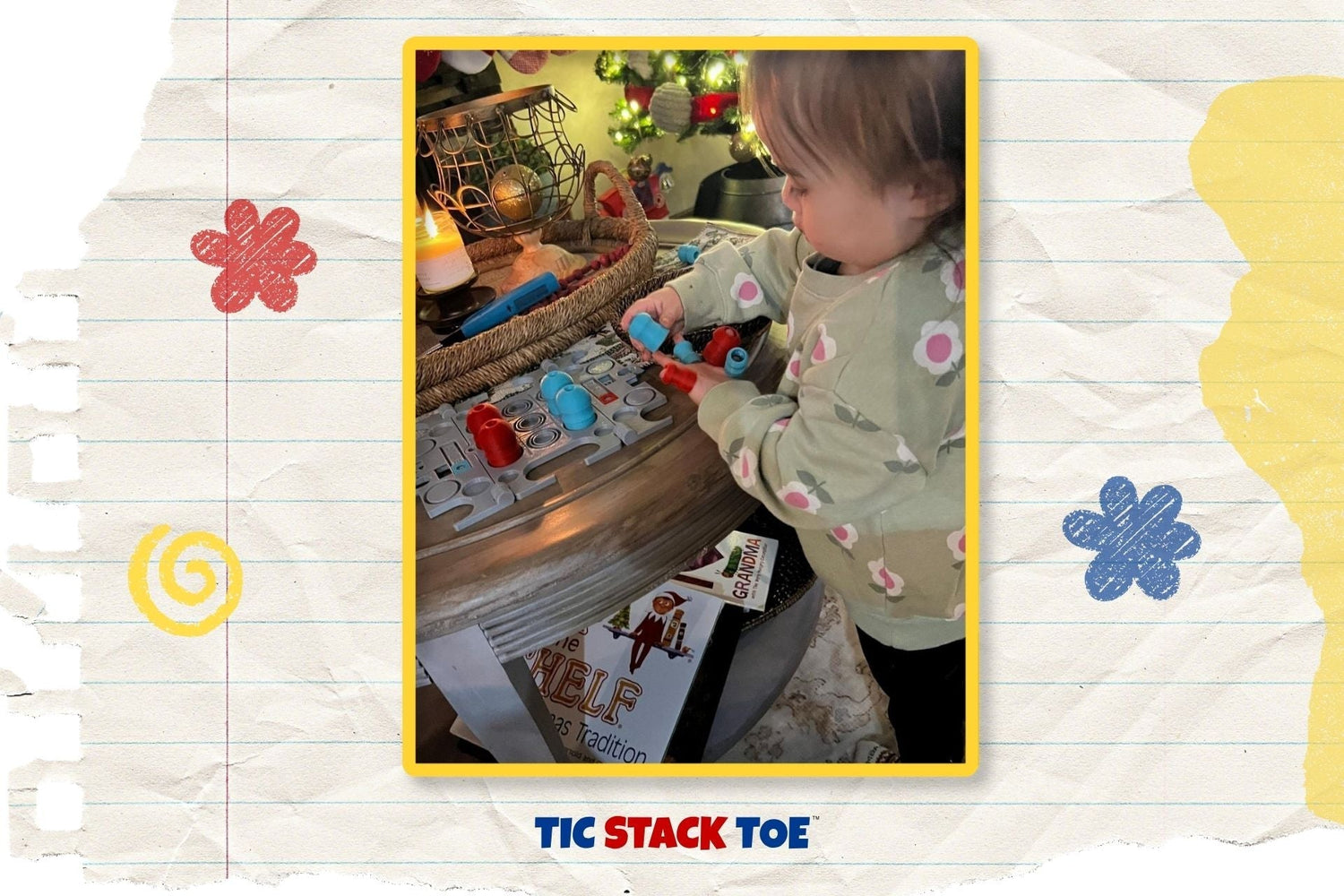
Parents spend a lot of time thinking about how their children learn.
We look for educational opportunities in books, school activities, sports, and even everyday experiences. What many parents don't realize is that some of the most valuable learning opportunities happen during play.
Games, especially strategy games, challenge children to think ahead, solve problems, and adapt to changing situations. Better yet, kids develop these skills naturally because they're focused on having fun rather than learning.
That's one reason strategy games have remained popular with families for generations.
Learning Happens Through Play
Children learn best when they're actively engaged.
Unlike passive activities, strategy games require kids to make decisions, evaluate options, and think about consequences. Every turn presents a new challenge, and every decision influences what happens next.
While the specific lessons vary from game to game, strategy games often help children develop:
- Critical thinking
- Problem-solving skills
- Decision-making abilities
- Pattern recognition
- Patience
- Focus and concentration
These are skills that extend far beyond game night. They show up in the classroom, on the playground, and eventually in adulthood.
The best part is that kids rarely feel like they're being taught. They're simply trying to win.
Why Simple Games Often Work Best
When people hear the phrase "strategy game," they sometimes picture complicated board games with dozens of rules and hour-long play sessions.
For children, that's often not necessary.
Simple strategy games are frequently more effective because they allow kids to focus on decision-making rather than memorizing rules. The easier a game is to understand, the faster children can begin practicing strategic thinking.
A good strategy game should be:
- Easy to learn
- Challenging to master
- Quick to play
- Engaging across multiple rounds
- Accessible to different age groups
That's why classic games have remained popular for so long. Their simplicity makes them approachable, while their strategic elements keep players coming back.
Strategy Games Teach Kids to Think Ahead
One of the biggest benefits of strategy games is that they encourage forward thinking.
Children quickly learn that every move has consequences. A decision that seems smart in the moment may create problems later, while a move that requires patience may lead to success down the road.
As kids play, they naturally begin asking themselves questions like:
- What will happen if I make this move?
- What might my opponent do next?
- Should I focus on offense or defense?
- Is there a better option available?
These thought processes are the foundation of strategic thinking.
Over time, children become more comfortable evaluating situations, considering alternatives, and making decisions based on available information.
The Social Benefits Are Just as Important
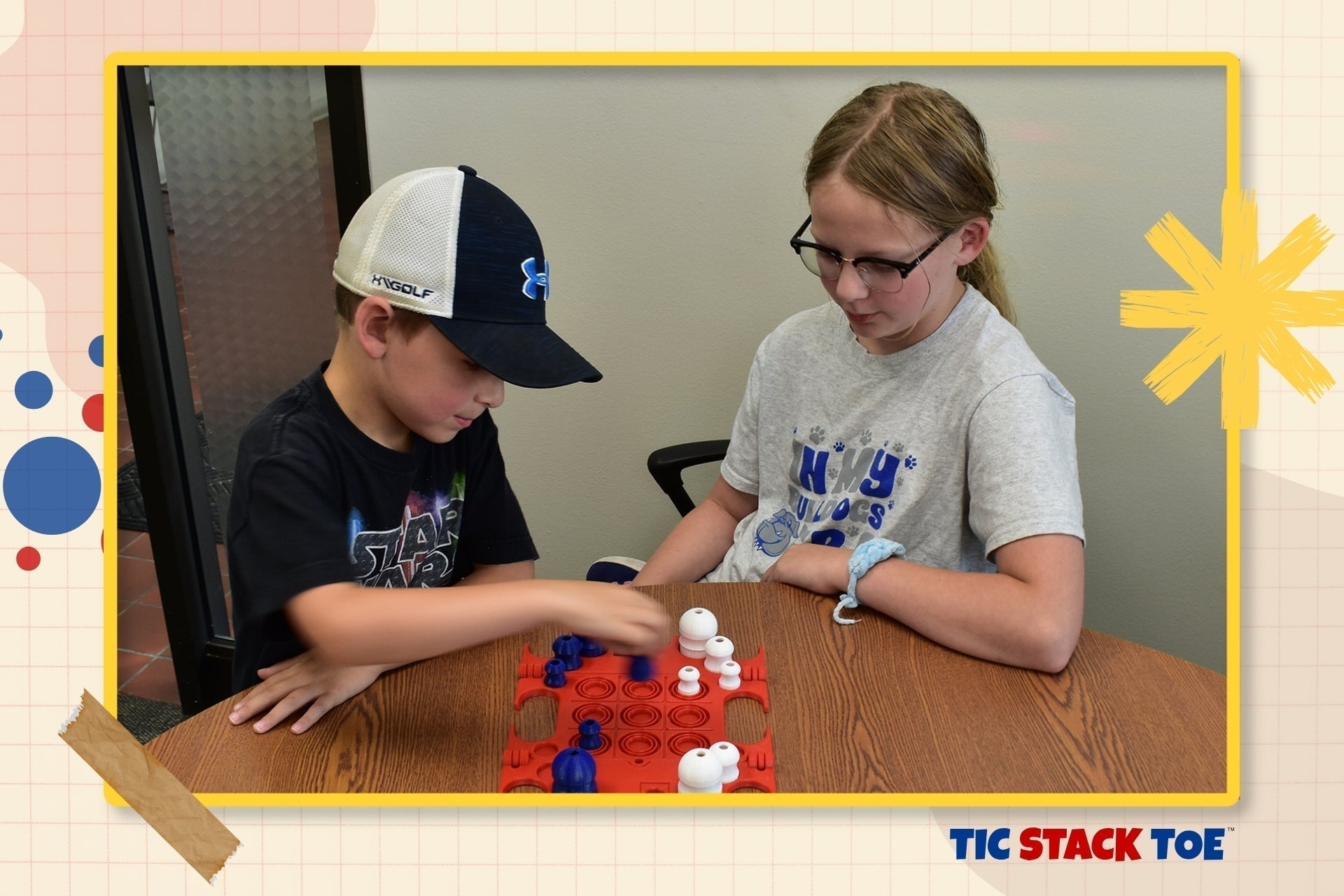
While strategy games are great for cognitive development, they also help children build important social skills.
Every game involves interaction with another person. Kids learn how to communicate, take turns, follow rules, and handle both success and disappointment.
Games help reinforce skills such as:
Patience
Players must wait their turn and respect the flow of the game.
Sportsmanship
Children learn that winning and losing are both part of the experience.
Communication
Many games encourage discussion, friendly competition, and collaboration.
Confidence
As children improve and develop strategies, they gain confidence in their decision-making abilities.
These social lessons often become just as valuable as the strategic ones.
Why Screen-Free Play Still Matters
Technology is an important part of modern life, but it shouldn't be the only form of entertainment children experience.
Screen-free activities engage children in different ways. They encourage face-to-face interaction, hands-on participation, and active problem-solving.
When children play physical strategy games, they're often:
- Talking with other players
- Manipulating pieces with their hands
- Focusing on the game without digital distractions
- Practicing real-time decision-making
- Building relationships through shared experiences
These benefits are difficult to replicate through passive entertainment.
That's why many parents intentionally look for activities that balance screen time with more interactive forms of play.
How Tic STACK Toe Encourages Strategic Thinking
A great example of a simple strategy game is Tic STACK Toe.
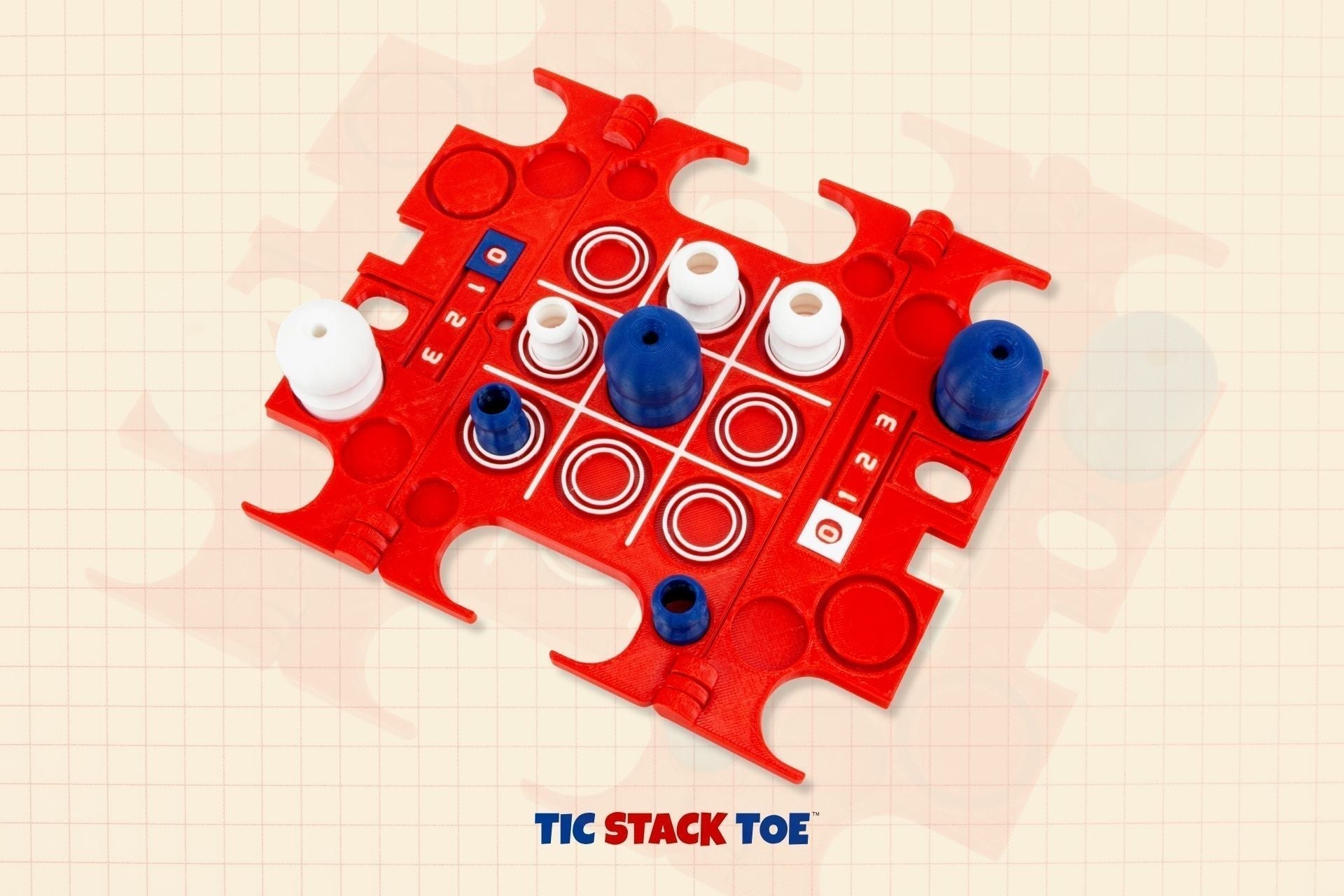
Most children already understand the basics of Tic-Tac-Toe. The goal remains the same: get three pieces in a row. That familiar foundation makes the game easy to learn and approachable for younger players.
What makes Tic STACK Toe different is its stacking mechanic.
Players can place larger pieces over smaller pieces, including pieces already played by an opponent. This creates new opportunities and forces players to think more carefully about every move.
Kids must decide:
- When to use larger pieces
- Which spaces are most valuable
- Whether to block an opponent or pursue their own strategy
- How future moves might change the board
The game feels familiar because it's built on Tic-Tac-Toe, but it introduces more strategy, more decision-making, and more opportunities to learn from experience.
In many ways, it's everything kids enjoy about Tic-Tac-Toe with a deeper level of thinking built in.
Small Games, Big Lessons
Children don't always need elaborate educational tools to develop important skills.
Sometimes a simple game can teach lessons that stick for years.
Strategy games encourage kids to think critically, solve problems, communicate effectively, and approach challenges with confidence. They help children learn how to evaluate situations and make decisions while keeping the experience fun and engaging.
Whether it's a classic game, a family favorite, or a modern twist like Tic STACK Toe, strategy games remain one of the best ways to combine learning and play.
And when kids are having fun, they're often learning more than they realize.

Leave a comment
This site is protected by hCaptcha and the hCaptcha Privacy Policy and Terms of Service apply.