

Finding activities that are both enjoyable and accessible can make a big difference in the daily lives of older adults. The best games for seniors provide entertainment, encourage social interaction, and offer mental stimulation without requiring complicated rules or lengthy setup.
Whether you're looking for games for a loved one, a senior living community, or your own family gatherings, simple games often create the most meaningful experiences. Familiarity is important, especially for older adults who may be hesitant to learn something entirely new.
Here are some of the best games for elderly adults that are easy to learn and enjoyable to play.
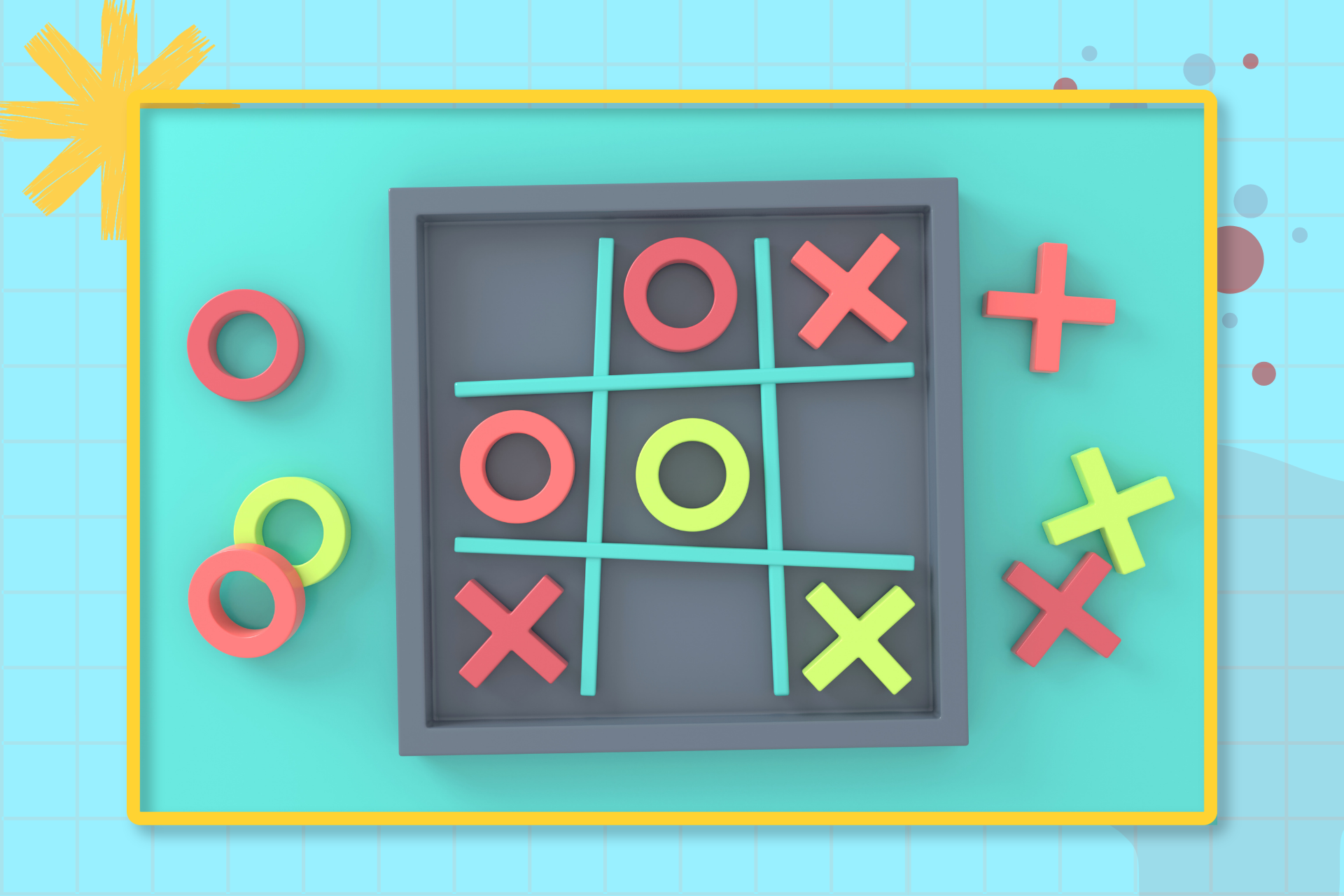
Tic-Tac-Toe: A Familiar Favorite
One reason tic-tac-toe has remained popular for generations is its simplicity. Most people learned the game as children, making it instantly recognizable and approachable.
The rules can be explained in seconds, and games are short enough to keep players engaged without becoming overwhelming. For seniors who may not enjoy complex board games, tic-tac-toe offers a comfortable starting point.
For those looking for a more engaging version of the classic game, Tic STACK Toe adds a strategic twist while maintaining the familiarity of tic-tac-toe. Instead of simply placing markers on a board, players use stackable pieces in three different sizes. Larger pieces can cover smaller ones, creating opportunities to reclaim spaces and change the game at any moment.
The game remains easy to learn, but the stacking mechanic keeps players thinking and engaged. Large, easy-to-grip pieces and a stable board design make it especially appealing for seniors. The bright colors also improve visibility, which can be important for older adults and individuals with cognitive challenges. Senior living facilities have found that games like Tic STACK Toe encourage social interaction while providing cognitive stimulation in a fun, low-pressure environment.
Dominoes
Dominoes is another game that many seniors already know and enjoy.
The basic concepts are simple, and players can learn by doing rather than studying a complicated rulebook. Dominoes encourages pattern recognition and strategic thinking while remaining approachable for players of all experience levels.
Because games can be played casually or competitively, dominoes works well in senior centers, family gatherings, and community rooms.
Many seniors enjoy the social aspect just as much as the gameplay itself.
Checkers
Checkers remains one of the easiest strategy games to learn.
The movement rules are straightforward, yet every game presents new challenges. Seniors who enjoy planning ahead often appreciate checkers because it rewards thoughtful decisions without becoming overly complex.
Games can be completed relatively quickly, making checkers a good option during social events, activity periods, or visits from family members.
Travel-sized versions and larger versions are also widely available for those who prefer easier handling.
Rummikub
Rummikub has become increasingly popular among older adults because it combines elements of cards and number matching.
Players create sets and runs using numbered tiles, which helps encourage concentration and problem-solving. While there is a small learning curve, most people pick it up quickly after a few rounds.
Many senior centers and retirement communities regularly include Rummikub in their activity schedules because it supports social interaction and friendly competition.
The game also encourages conversation, making it just as much a social activity as a mental exercise.
Bingo
No list of senior-friendly games would be complete without bingo.
Bingo continues to be one of the most popular activities in senior communities because it's easy to understand and highly social. Players can participate regardless of gaming experience, and the simple format allows large groups to play together.
The excitement of waiting for the next number and the possibility of winning keeps players engaged throughout the game.
While bingo may not involve significant strategy, its social benefits make it a valuable activity in many senior settings.
What Makes a Great Game for Seniors?
When evaluating games for elderly adults, simplicity is often more important than complexity.
The best games typically share several characteristics:
- Easy-to-understand rules
- Short setup times
- Opportunities for social interaction
- Visually clear game components
- Comfortable playing pace
- Mental engagement without frustration
Games that encourage conversation and connection often become favorites because they provide benefits beyond entertainment.
Many senior living communities actively seek activities that bring residents together, create opportunities for interaction, and help fill waiting periods between meals, events, and appointments. Games that are approachable and visually engaging often perform best in these environments.
More Than Just Entertainment
Games can play an important role in helping seniors stay socially connected and mentally engaged.
Classic options like tic-tac-toe, dominoes, checkers, bingo, and Rummikub continue to be popular because they're easy to learn and enjoyable for a wide range of players.
For seniors who enjoy familiar games but want a little more challenge, Tic STACK Toe offers a unique blend of accessibility and strategy. By building on the simple foundation of tic-tac-toe while introducing colorful stacking gameplay, it creates opportunities for friendly competition, conversation, and fun for players of all ages. It's another example of how a simple game can bring people together.


Leave a comment
This site is protected by hCaptcha and the hCaptcha Privacy Policy and Terms of Service apply.