
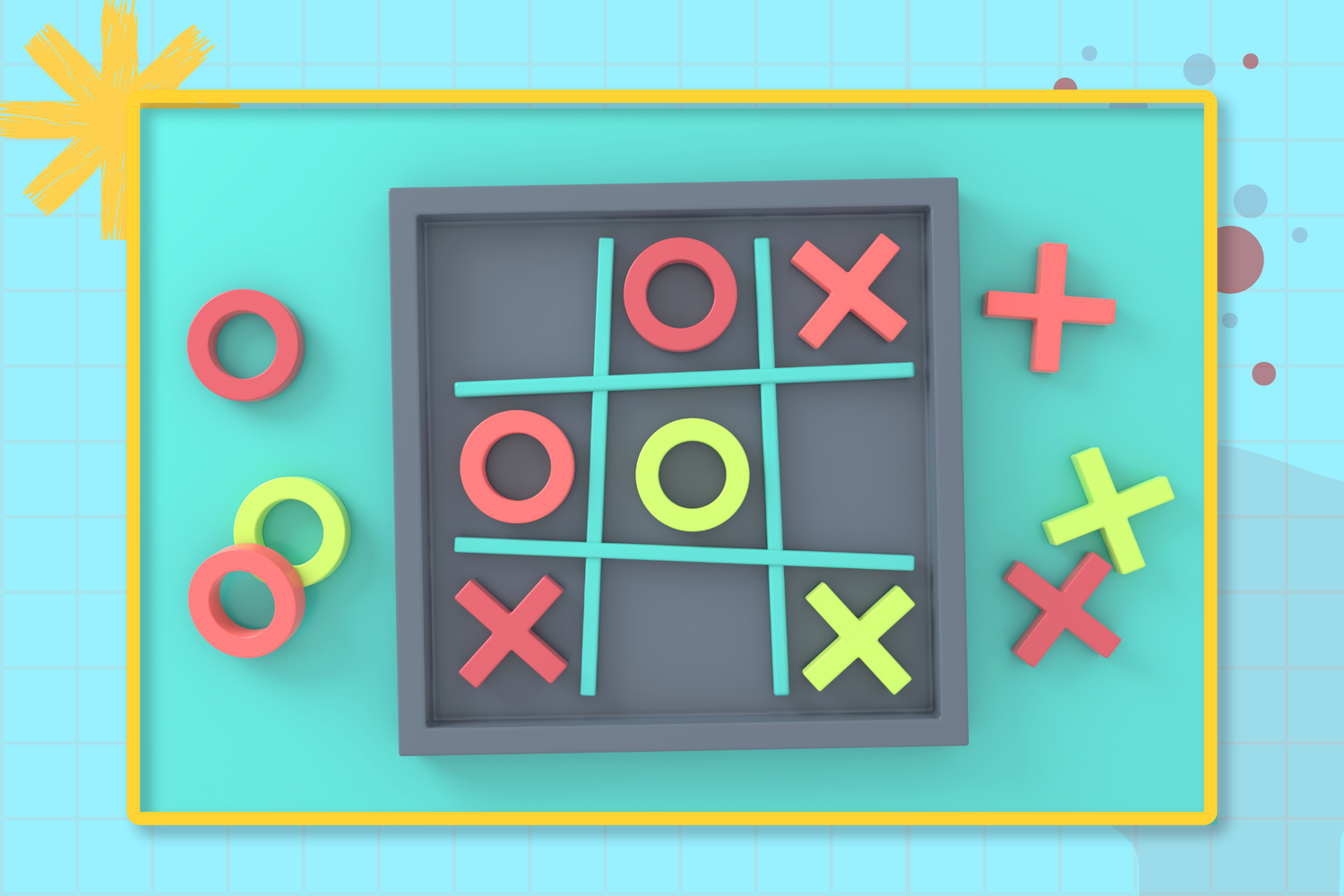
If you've spent a few minutes playing Google's Impossible Tic Tac Toe, you've probably wondered whether it's actually possible to win. The computer seems to block every move, anticipate every strategy, and capitalize on even the smallest mistake.
The good news is that you're not imagining it—Impossible Mode is designed to play nearly flawless tic tac toe. Understanding why can help you become a better player and explain why the game often ends in the same result.
What Is Impossible Tic Tac Toe?
Many online versions of tic tac toe, including Google's, offer multiple difficulty settings. On the hardest setting, the computer uses an optimal strategy instead of making random or human-like decisions.
Rather than simply reacting to your last move, the AI analyzes the board and chooses the move with the best possible outcome. That means it will:
- Block immediate winning opportunities.
- Prevent you from creating multiple threats.
- Set up its own winning chances.
- Force a draw whenever a win isn't possible.
The result is an opponent that rarely makes mistakes.
Can You Actually Beat It?
The short answer is: not consistently.
Classic tic tac toe has been mathematically solved. If both players make the best possible move every turn, neither player can force a victory. Instead, the game always ends in a draw.
Since Impossible Mode is programmed to play as close to perfectly as possible, there isn't a hidden trick or secret sequence of moves that guarantees a win.
If the AI ever makes an error—or if a particular version intentionally introduces randomness—you might be able to beat it. Otherwise, your best outcome is usually a tie.
Why Does the Computer Always Know What to Do?
The AI isn't "thinking" the way a human does. Instead, it's evaluating every possible outcome before choosing a move.
It recognizes patterns that many casual players miss, including:
- Future winning opportunities.
- Defensive moves that prevent losses.
- Potential forks.
- Moves that guarantee at least a draw.
Because the computer never gets distracted or impatient, it avoids the mistakes that often decide games between two people.
What Is a Fork?
If you've been reading about tic tac toe strategy, you've probably come across the term fork.
A fork happens when one move creates two possible winning lines at the same time. Since your opponent can only block one of them, the other usually becomes your winning move.
Creating forks—and preventing your opponent from creating them—is one of the most important skills in tic tac toe.
Tips for Playing Against Impossible Mode
While you may not beat the AI consistently, you can still improve your game.
Here are a few habits that help:
Take the Center Whenever You Can
The center square connects to the greatest number of winning lines, making it the strongest opening move in many situations.
Look Beyond Your Next Move
Don't just ask yourself where to play now. Think about how your move affects the next two or three turns.
Play Defense First
Before trying to create your own winning line, check whether your opponent already has one developing.
Missing a simple block is one of the quickest ways to lose.
Be Patient
The AI is waiting for you to make a mistake. Slowing down and evaluating the entire board often leads to better decisions.
Why Some Players Move Beyond Classic Tic Tac Toe
For many people, the challenge of beating an impossible AI eventually gives way to another realization: classic Tic Tac Toe has its limits. Once you've learned the optimal strategies, games become more predictable, and experienced players often end up forcing draws.
That's one reason modern versions of the game have become increasingly popular. They preserve the familiar objective while introducing new decisions that make every match feel different.
A New Way to Think About Tic Tac Toe
If you enjoy the strategy behind classic tic tac toe but wish there were more opportunities for creative play, Tic STACK Toe offers a fresh take on the game.
Instead of placing identical pieces on a flat board, each player has two small, two medium, and two large nesting pieces. Larger pieces can be stacked over smaller ones—including your opponent's—allowing you to reclaim spaces, block unexpected threats, or completely change the direction of a game with a single move. The objective remains the same: create three in a row.
Because the board evolves throughout the game, players must continually rethink their strategy instead of relying on the same opening moves and predictable outcomes. It's easy to learn in just a few minutes, yet it offers the kind of replay ability that keeps friends and families coming back for another round. Whether you're playing at home, while traveling, or during family game night, it's a fun way to rediscover a classic.

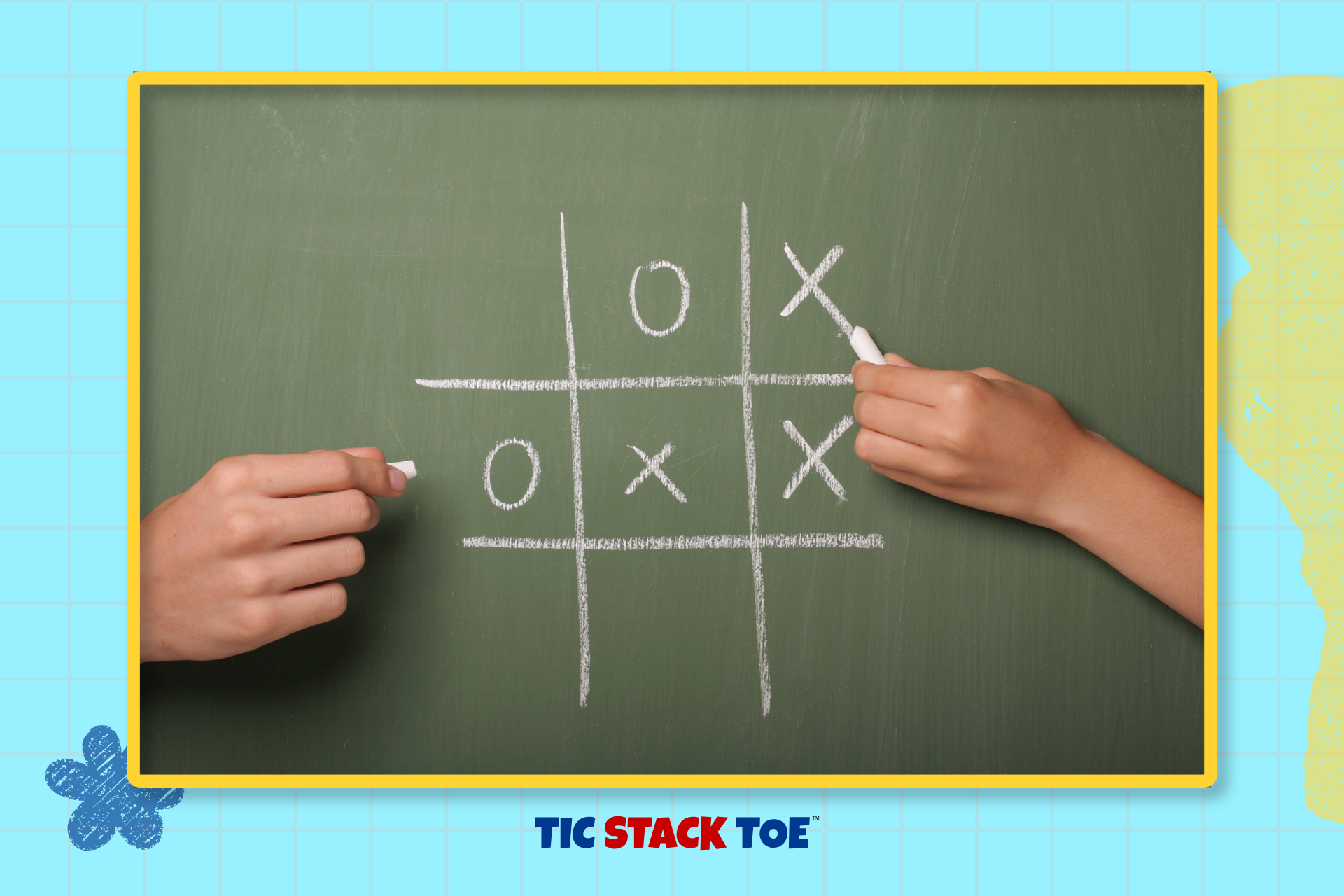

Leave a comment
This site is protected by hCaptcha and the hCaptcha Privacy Policy and Terms of Service apply.