
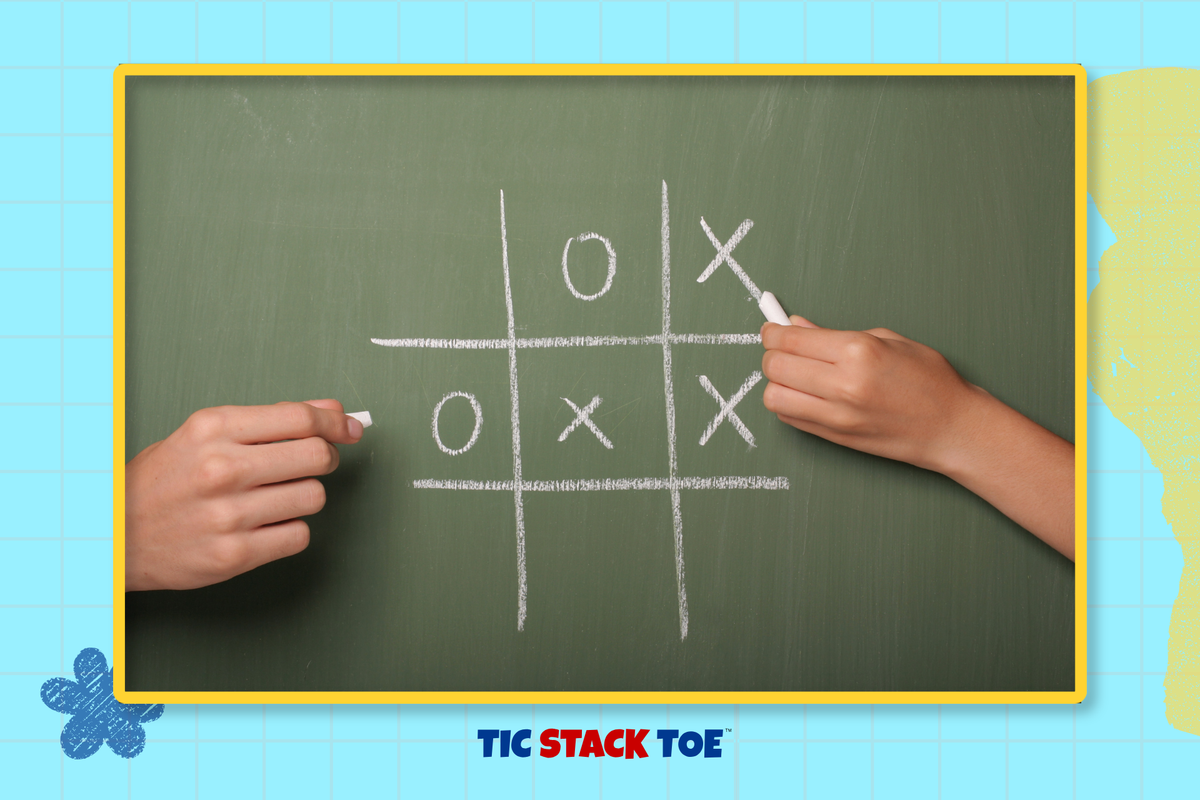
Few games are as recognizable as tic tac toe. Nearly everyone has played it at some point, whether on a piece of notebook paper, a restaurant placemat, or a classroom whiteboard. Its rules are simple enough for young children to learn in minutes, yet the game has entertained generations around the world.
What many people don't realize is that tic tac toe has a history stretching back far beyond the modern classroom. While the version we know today is relatively recent, games based on the same concept have existed for centuries.
The Ancient Origins of Tic Tac Toe
Historians believe tic tac toe evolved from an ancient Roman game called Terni Lapilli, which translates to "three pebbles at a time."
Instead of drawing X's and O's, players each had three stones that they moved around a grid after all the pieces had been placed. Archaeologists have even discovered game boards carved into stone throughout the Roman Empire, suggesting the game was a popular pastime nearly 2,000 years ago.
Although the rules weren't identical to modern tic tac toe, the objective—creating three in a row—was remarkably similar.
When Did Modern Tic Tac Toe Appear?
The paper-and-pencil version most people recognize today became popular during the 19th century.
As paper became inexpensive and widely available, the game was easy to play almost anywhere. It required no special equipment, no lengthy setup, and no complicated rules, making it a favorite among children and adults alike.
Today, tic tac toe is often one of the very first strategy games children learn.
Why Is It Called Tic Tac Toe?
The exact origin of the name isn't completely certain, but most historians believe it developed in Britain during the 1800s.
"Tick-tack" referred to the sound made while keeping score in games, while "toe" may have evolved from older word games and rhyming traditions. In many other English-speaking countries, the game is still known by different names.
For example:
- Noughts and Crosses (United Kingdom)
- Xs and Os (informal)
- Various local names around the world based on the symbols used
No matter what it's called, the rules remain largely the same.
Why Has Tic Tac Toe Remained So Popular?
Very few games have stood the test of time like tic tac toe.
Its lasting popularity comes from a combination of factors:
- Almost anyone can learn it in less than a minute.
- Games typically last only a few minutes.
- It requires very little equipment.
- It teaches strategic thinking and planning.
- It appeals to children and adults alike.
Because it's so accessible, tic tac toe often becomes a person's introduction to strategy games.
A Game That Continues to Inspire New Ideas
While the classic version has changed very little over the years, game designers have continued experimenting with new ways to build on its simple foundation.
Some variations use larger boards, additional players, or new winning conditions. Others introduce entirely new mechanics while preserving the familiar objective of creating three in a row.
These modern adaptations allow players to enjoy the game they already know while adding fresh strategic challenges.
A Modern Twist on a Timeless Classic
One example is Tic STACK Toe, which takes the familiar concept of tic tac toe and adds a three-dimensional stacking mechanic. Instead of using identical X's and O's, each player has two small, two medium, and two large nesting pieces. Larger pieces can cover smaller ones—including those played by an opponent—creating opportunities for dramatic comebacks and entirely new strategies while keeping the same goal of making three in a row.
The result is a game that feels instantly familiar to anyone who has played tic tac toe before, yet offers a much deeper strategic experience. It's quick to learn, portable enough to take almost anywhere, and designed to bring people together through friendly, screen-free competition. In many ways, it represents the latest chapter in the long history of one of the world's favorite games.


Leave a comment
This site is protected by hCaptcha and the hCaptcha Privacy Policy and Terms of Service apply.